August 20, 2026
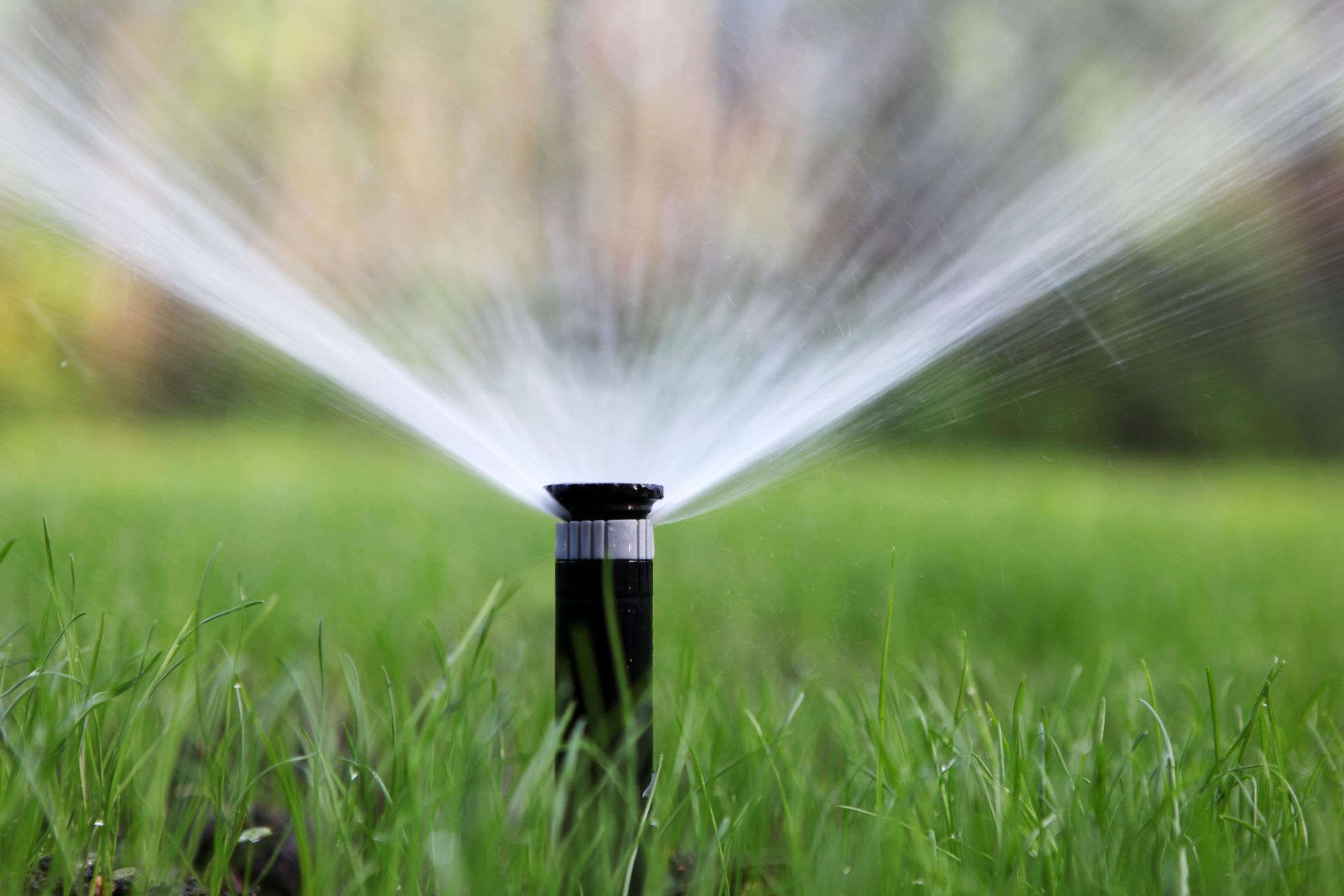
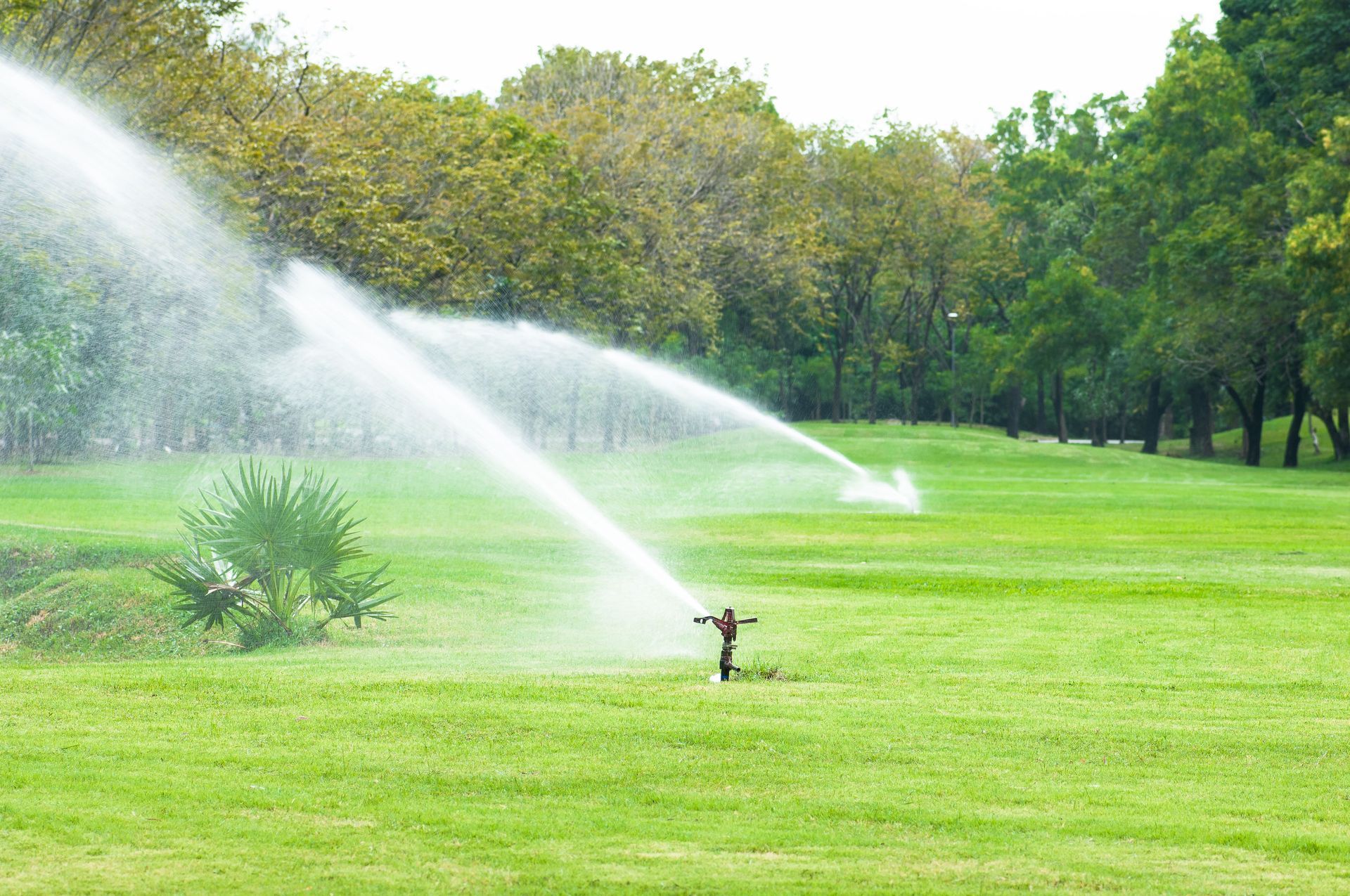
Maintaining a vibrant, green lawn used to rely on guesswork and a manual garden hose. Today, residential sprinkler systems have evolved into highly engineered networks designed to deliver exact amounts of moisture directly to your turf. Precision watering ensures that every square foot of your landscape receives the precise hydration required to thrive without wasting a drop.
The Engineering Behind Modern Grass Hydration
Every yard functions as a miniature ecosystem with distinct microclimates, varying soil types, and diverse plant species. Standard, old-fashioned watering methods often apply a uniform blanket of water across the entire property, leaving some areas waterlogged and others parched. High-tech systems solve this by utilizing targeted zoning, which isolates flower beds, shaded turf, and sun-drenched patches into independently managed sectors. By tailoring water delivery to the specific absorption rates of different plants, these configurations maximize health while minimizing surface runoff.
The Vital Connection to Global Water Conservation
The need for precise residential watering becomes even more urgent when looking at global resource management. Domestic outdoor watering heavily relies on precious subterranean reserves. According to global data analyzed by WifiTalents, underground water reserves sustain roughly 43% of the planet's entire irrigation requirements. Because we draw so heavily from these underground aquifers to keep our agricultural and residential landscapes alive, utilizing smart sprinkler systems is no longer just a matter of convenience. It is a critical environmental responsibility that prevents the depletion of our most vital shared water reservoirs.
The Financial Benefits of Automated Irrigation Architecture
Investing in a high-quality residential watering system yields significant, measurable financial returns over time. Hand-watering or relying on cheap, oscillating hardware frequently leads to wind drift, evaporation, and over-saturation, all of which inflate your monthly utility bills. Sophisticated systems cut down on this financial waste by incorporating weather-responsive controllers and soil moisture sensors that halt operation during rainstorms. This level of automation ensures you only pay for the exact volume of water your soil actually requires, protecting your wallet while protecting your landscape.
The Role of Advanced Subterranean Delivery Mechanisms
While traditional overhead spray heads are excellent for wide, open expanses of turf grass, precision watering often requires a subtler approach. Drip irrigation lines and subterranean networks deliver moisture directly to the root zones of shrubs, trees, and dense ornamental gardens. By bypassing the air and the plant foliage entirely, these targeted sprinkler systems virtually eliminate water loss caused by midday evaporation or strong winds. This direct-to-root delivery method not only preserves water but also keeps foliage dry, which significantly discourages the growth of fungal diseases.
The Importance of Routine Diagnostics and Component Maintenance
A precision watering setup is only as good as its weakest component, meaning regular maintenance is essential for long-term efficiency. Over time, nozzle heads can become clogged with mineral deposits, lines can develop microscopic leaks, and shifting soil can push spray patterns out of alignment. Conducting seasonal inspections of your systems ensures that pressure levels remain optimal and that every drop of water hits its intended target. Proactive care locks in your water savings, extends the lifespan of your infrastructure, and keeps your lawn perfectly manicured season after season.
The Science of Evapotranspiration and Smart Controllers
At the heart of precision residential irrigation is the science of evapotranspiration, which is the sum of water lost through soil evaporation and plant transpiration. Traditional timers operate on rigid, pre-set schedules regardless of local weather conditions, which often leads to watering during heavy rainstorms or on cooler, humid days when the soil is already saturated. Modern smart controllers bypass this waste by pulling real-time meteorological data from local weather stations and adjusting watering runtimes on the fly. By actively calculating the daily moisture loss of your lawn based on local temperature, wind speed, solar radiation, and humidity, these systems apply water only when the landscape genuinely needs replenishment.
The Structural Design of Custom Hydraulic Zoning
Not all plants require the same volume of moisture, and grouping them by their specific water demands is known as hydrozoning. A custom-designed home system is split into distinct lateral lines governed by individual control valves, allowing you to establish independent watering schedules for different areas. For example, your shallow-rooted turf grass might require frequent, shallow watering cycles, while deeply rooted native shrubs thrive on infrequent, deep soaking. Additionally, microclimates created by the shadows of your house, mature trees, or retaining walls alter how quickly water dries up. By creating tailored zones that match these specific microclimates, homeowners avoid the double trap of overwatering shaded foliage and underworld exposed, sun-beaten sod.
The Mitigation of Runoff Through Cycle-and-Soak Settings
Heavy clay soils and sloped terrains present unique watering challenges because they cannot absorb moisture as quickly as typical spray nozzles distribute it. When water is applied faster than the soil's infiltration rate, the excess pools on the surface and runs off into gutters, carrying valuable nutrients and fertilizers with it. Precision home systems mitigate this issue by using a programming technique called "cycle-and-soak." Instead of running a single zone for twenty consecutive minutes, the controller splits the runtime into multiple shorter cycles, such as two ten-minute runs spaced an hour apart. This built-in pause allows the first application of water to deeply penetrate the soil structure, preparing the ground to efficiently absorb the second application without creating wasteful runoff.
The Integration of Smart Environmental Sensor Technology
Modern residential irrigation relies heavily on real-time environmental feedback to prevent unnecessary or damaging watering cycles. By integrating specialized rain and freeze sensors into residential sprinkler systems, homeowners can automatically halt watering when nature provides sufficient moisture or when temperatures drop dangerously low. Operating home watering setups during a sudden frost can cause hazardous ice patches on walkways and severely fracture your lawn's delicate root structure. These smart auxiliary sensors act as an immediate mechanical override, ensuring your automated sprinklers remain completely idle during unfavorable weather conditions. This responsive safeguard prevents both localized water waste and catastrophic structural damage to your lines when pipes freeze.
The Long-Term Valuation of Residential Property Landscapes
A vibrant, professionally managed yard significantly boosts the curb appeal and overall market value of a suburban home. Professionally designed systems protect this living asset by ensuring consistent, healthy turf growth without requiring hours of manual labor. Potential homebuyers routinely view pre-installed irrigation networks as a premium convenience feature that adds tangible value to the overall property architecture. Furthermore, precision-engineered sprinkler systems prevent the expensive necessity of replacing dead sod, parched flower beds, or dried-out ornamental trees after a harsh summer. Investing in automated irrigation technology ultimately secures your home's aesthetic beauty and elevates its long-term financial equity on the real estate market.
The Pressure Regulation of Custom Nozzle Outlets
Maintaining optimal water pressure across your entire yard is fundamental to achieving uniform moisture distribution. When residential irrigation networks experience high pressure, water breaks apart into a fine mist that easily blows away in the wind rather than soaking into the grass. High-efficiency sprinkler systems utilize pressure-regulating stems and nozzles to keep water droplets at an ideal size for maximum soil penetration. By controlling this hydraulic force, modern sprinklers eliminate misting, reduce wear and tear on your pipes, and ensure that every gallon of water is deposited exactly where your landscape needs it most.
Transitioning to automated, precise watering is the single most effective step a homeowner can take to balance a beautiful landscape with environmental stewardship. Embracing smart technology allows your property to adapt dynamically to changing weather patterns without sacrificing its curb appeal. Ultimately, investing in modern irrigation architecture safeguards your time, your finances, and our planet's invaluable water reserves. For more on the crucial role sprinkler systems can play, please reach out to Exstream Water Solutions today.