Why Irrigation Is the Front Line for a Greener Landscape
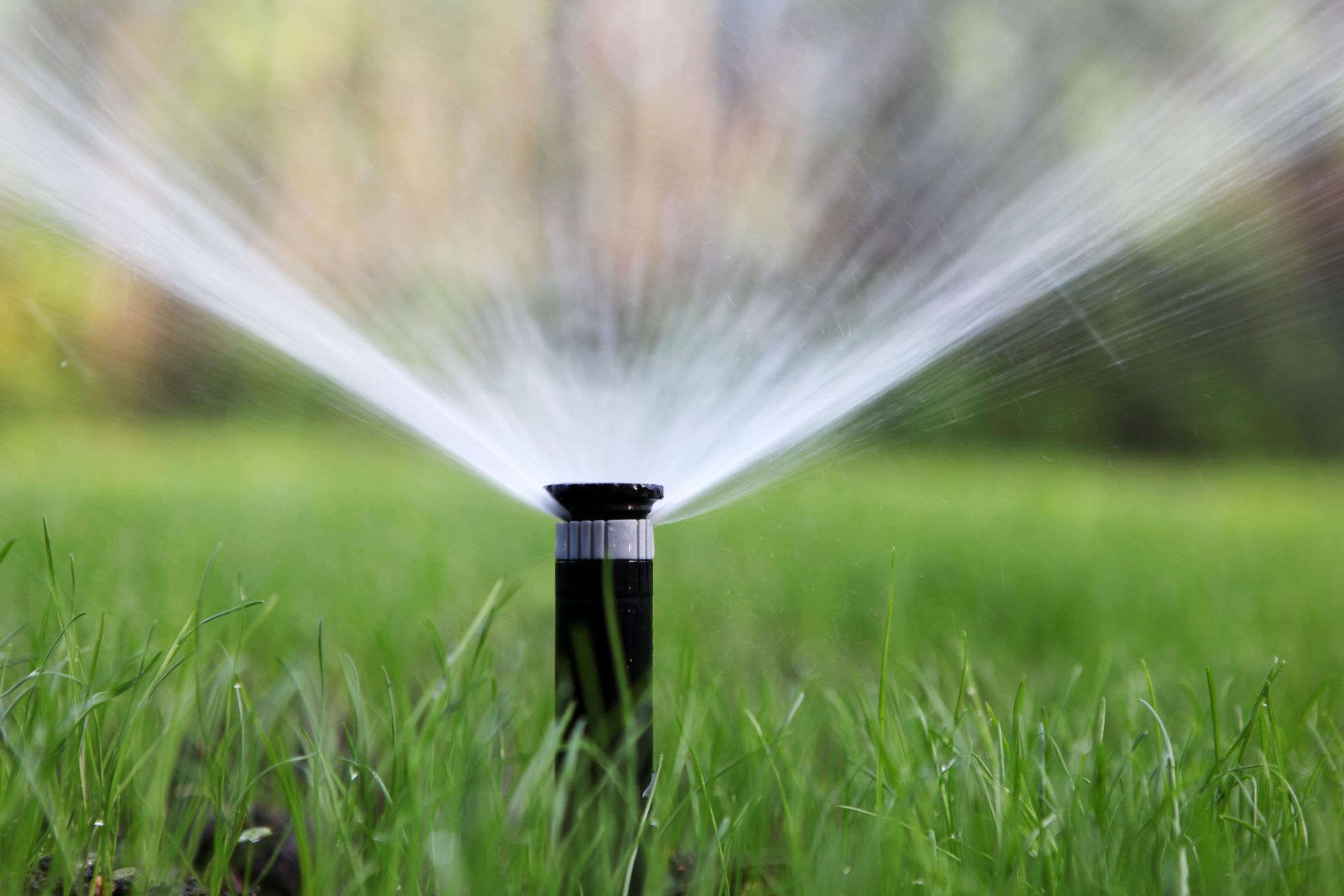
Amidst growing resource demands and the persistent challenges posed by climate change, modern water infrastructure emerges as a critical component of national security. The systematic delivery of water is fundamental to sustaining agricultural productivity, maintaining commercial landscapes, and ensuring long-term food security. This practice also plays a crucial part in active climate adaptation, supporting both regional ecological balance and corporate economic stability. As the country faces increasingly severe droughts and unpredictable weather patterns, the significance of efficient water management through targeted technology cannot be overstated. This discussion delves into the multifaceted role of water management in safeguarding precious natural resources.
Establishing a rigorous assessment routine transforms your property care from a reactive liability into a well-managed lifestyle asset. Investing in professional, large-scale structural upgrades reflects an organization's deep commitment to operational excellence, which positively impacts employee safety, corporate partner impressions, and long-term asset appreciation. To ensure your business stays protected, it is critical to understand how specialized structural overhauls protect your facilities from catastrophic failures. Taking a proactive approach to resource management allows enterprise leaders to minimize environmental risks and secure a solid foundation for enduring corporate success.
Protecting Landscapes Against Severe Drought
Prolonged droughts pose a significant threat to regional land value, making effective water management essential for mitigating long-term environmental impacts. Advanced distribution systems provide a reliable buffer during dry periods, ensuring that sensitive vegetation and cash crops receive the precise moisture needed to avoid stress. As climate change increases the frequency and intensity of seasonal heatwaves, the importance of strategic, automated water distribution becomes even more critical. By investing in drought-resistant distribution infrastructure, managers can enhance their property's ability to cope with water scarcity, building an adaptive capacity that sustains green spaces through extreme weather shifts.
Property owners also employ automated weather integration to fine-tune distribution schedules based on real-time wind speed, humidity, and local rainfall forecasts. Proactively adjusting these mechanical networks positions the agricultural and commercial real estate sectors to meet the water demands of future generations. These intelligent, proactive plumbing modifications are integral to building a resilient landscape framework that can successfully withstand intense, climate-induced water stress.
Upgrading to Automated and Smart Technologies
Smart distribution systems represent a revolutionary technological shift in how water resources are managed across modern corporate and agricultural properties. These setups use a combination of soil probes, internet connectivity, and precise flow control mechanisms to deliver moisture efficiently and sustainably. By continuously monitoring real-time environmental conditions, a smart automated network can dynamically adjust its output to prevent over-watering or plant dehydration. This seamless integration of modern hardware not only conserves freshwater but also enhances overall plant health and minimizes daily utility expenses.
Data analytics tools help predict immediate water demand, allowing for strategic planning and highly accurate resource allocation. This technology-driven approach improves daily decision-making and completely removes the guesswork inherent in traditional, manual scheduling methods. Furthermore, recent innovations in piping materials, leak-detection telemetry, and pressure-regulating valves have minimized structural water losses and unexpected system maintenance issues. Coupling solar-powered pumps and wind-driven turbines with these advanced plumbing networks further reduces reliance on fossil fuels, creating an eco-friendly asset that lowers your property's overall carbon footprint.
Preventing Soil Degradation and Runoff Water Waste
One of the primary challenges in large-scale water distribution is successfully balancing extraction volumes with the baseline health of surrounding local ecosystems. Excessive withdrawal of groundwater can lead to the rapid depletion of regional aquifers, reduced river flows, and the tragic destruction of local wildlife habitats. It is imperative to implement sustainable management practices that minimize these negative ecological impacts while meeting your property's structural greening needs. Utilizing reclaimed wastewater, improving application efficiency, and scheduling operations during low-demand night hours are essential steps to preserve natural ecosystems.
Addressing runoff contamination associated with over-watering is another critical concern, as excess water flowing off chemical-treated fields can carry fertilizers into local streams. To prevent this nutrient loading, modern managers utilize precision delivery tools that apply water slowly, allowing the soil to absorb nutrients completely without creating toxic runoff. Implementing vegetative buffer strips along property perimeters further helps trap ambient contaminants before they can reach public waterways. Investing in these efficient, sustainable water management strategies preserves topsoil quality, prevents land salinization, and protects vital natural resources for future generations.
Meeting Water Conservation Laws and Rules
According to WifiTalents, irrigation accounts for 42% of total freshwater use in the United States. Federal, state, and municipal guidelines play a crucial role in defining how water resources are allocated and protected across commercial and agricultural sectors. Rigid legislative guidelines, such as regional water allocation quotas, establish strict baselines for responsible water to protect local environmental health. The adoption of water-efficient distribution methods is frequently supported by valuable financial incentives, grants, and government utility subsidies. Programs like the USDA's Environmental Quality Incentives Program offer direct financial assistance to help properties upgrade their piping, implement smart controllers, and lower their daily freshwater draw.
Navigating the complexities of local water rights and maintaining compliance with shifting environmental restrictions can be a daunting challenge for modern property owners. Working with certified layout professionals helps managers stay ahead of regulatory changes, preventing expensive city fines and forced system shutdowns. Looking forward, future regulatory frameworks will place an even heavier emphasis on mandatory water conservation and the integration of automated smart technology. Adopting a forward-thinking, high-efficiency plumbing strategy allows business leaders to easily clear these regulatory hurdles while securing long-term water access for their real estate investments.
Boosting Property Values and Career Opportunities
Water infrastructure plays a foundational role in rural and suburban community development by providing essential support for agriculture and local commerce. By enabling consistent, year-round landscape and crop cultivation, efficient water networks secure local food systems, protect property values, and create stable employment. The economic benefits of advanced distribution extend far beyond direct agricultural output, driving job creation in specialized equipment manufacturing, technology installation, and technical system maintenance. Local businesses thrive from the powerful economic multiplier effects generated by sustainable, well-managed agricultural and commercial real estate operations.
As innovation in precision water technology advances, new educational paths arise to prepare individuals for high-tech careers in resource management and green engineering. Tech institutes and universities now offer specialized programs focused on automated plumbing systems, data analytics, and precision agriculture. These educational initiatives equip the modern workforce with the advanced technical skills needed to design, install, and manage cutting-edge distribution grids.
Commercial cleaning services are integral to the operational success of modern businesses, offering invaluable benefits in workplace health, productivity, and sustainability. Cleanliness ensures healthy work environments, fosters productivity, enhances aesthetic appeal, and reflects company values and professionalism. Furthermore, the cost-effectiveness and environmental focus of cleaning services promote sustainable business practices and long-term asset preservation. By choosing flexible and customizable cleaning solutions, businesses can meet unique industry demands and efficiently navigate growth challenges.
When your enterprise commits to an intentional program of property care, you unlock higher output from your workforce and establish an undeniable reputation for elite professionalism. Securing a trusted corporate maintenance partner removes the administrative burden from your internal executive leadership, allowing you to run your core programs with total peace of mind. Every modern facility requires a foundation built on absolute sanitation to truly thrive in competitive markets. By aligning your business goals with customized, eco-friendly property maintenance routines, you safeguard both your short-term profit margins and your long-term corporate identity. To discover how tailored solutions can transform your workspace and support your business goals, head over to Exstream Water Solutions online today to view your service options.